



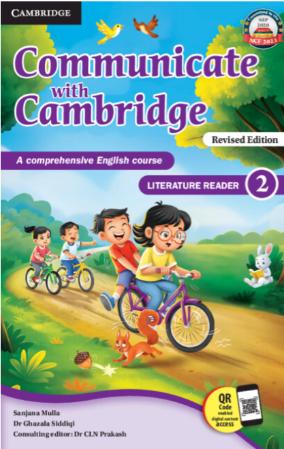
Communicate with Cambridge Level 2 Literature Reader with QR Code : 5th Edition
by Sanjana Mulla, CLN Prakash
- Item SKU:
- 79951
- Author:
- Sanjana Mulla, CLN Prakash
- Publisher:
- Cambridge University Press
- Edition:
- 5th
- ISBN:
- 9781009824460
- EAN13:
- 9781009824460
Product Description
The Theology of the Book of Leviticus, authored by Mark W. Scarlata and published by Cambridge University Press, provides a comprehensive and accessible examination of one of the most complex books in the Hebrew Bible. While Leviticus is often viewed by modern readers as a dense collection of archaic laws and ritual prescriptions, Scarlata illuminates its profound theological core and its central role in shaping the identity of the people of Israel. The work explores the fundamental concepts of holiness, sacrifice, and the presence of God among His people, demonstrating how these themes are not merely relics of the past but are essential to understanding the broader biblical narrative and the nature of divine-human relationships. Scarlata meticulously analyzes the structure and content of Leviticus, guiding readers through the intricate details of the sacrificial system and the purity laws. He argues that these rituals were designed to create a sacred space where a holy God could dwell in the midst of a sinful people. By situating the book within its historical and literary context, the author clarifies the ethical and social implications of its teachings, showing how the call to holiness extends beyond the sanctuary into every aspect of communal and individual life. The book serves as a valuable resource for students, scholars, and clergy, offering a nuanced perspective on how the theology of Leviticus continues to resonate within contemporary discussions of ethics, community, and the sacred. Through this scholarly yet readable volume, Scarlata successfully rehabilitates the reputation of Leviticus, revealing it to be a rich source of theological reflection and a vital component of the Old Testament canon.